Welcome Marjo Saastamoinen- new SE
Submitted by editor on 13 October 2015.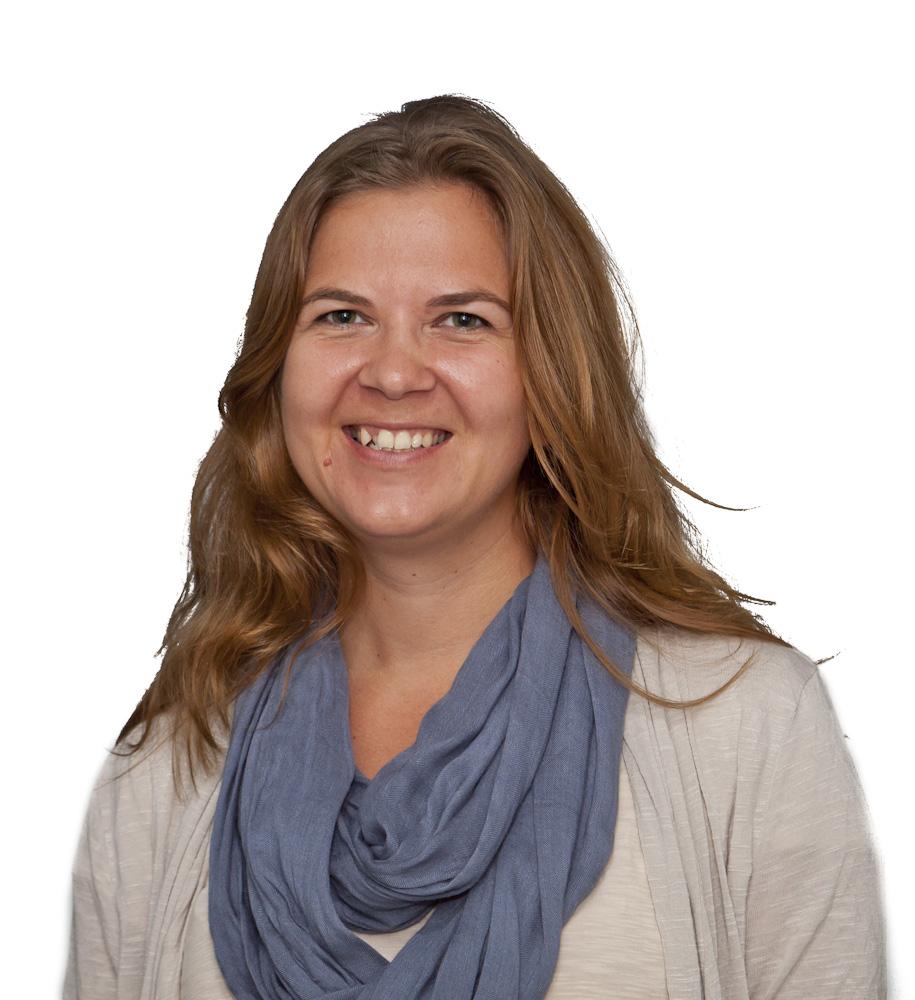
We are very happy to welcome a new Subject Editor to our board - Dr Marjo Saastamoinen, University of Helsinki, Finland. Get to know her in th inteview below and visit her webpage: http://www.mv.helsinki.fi/home/msaastam/
What's you main research focus at the moment?
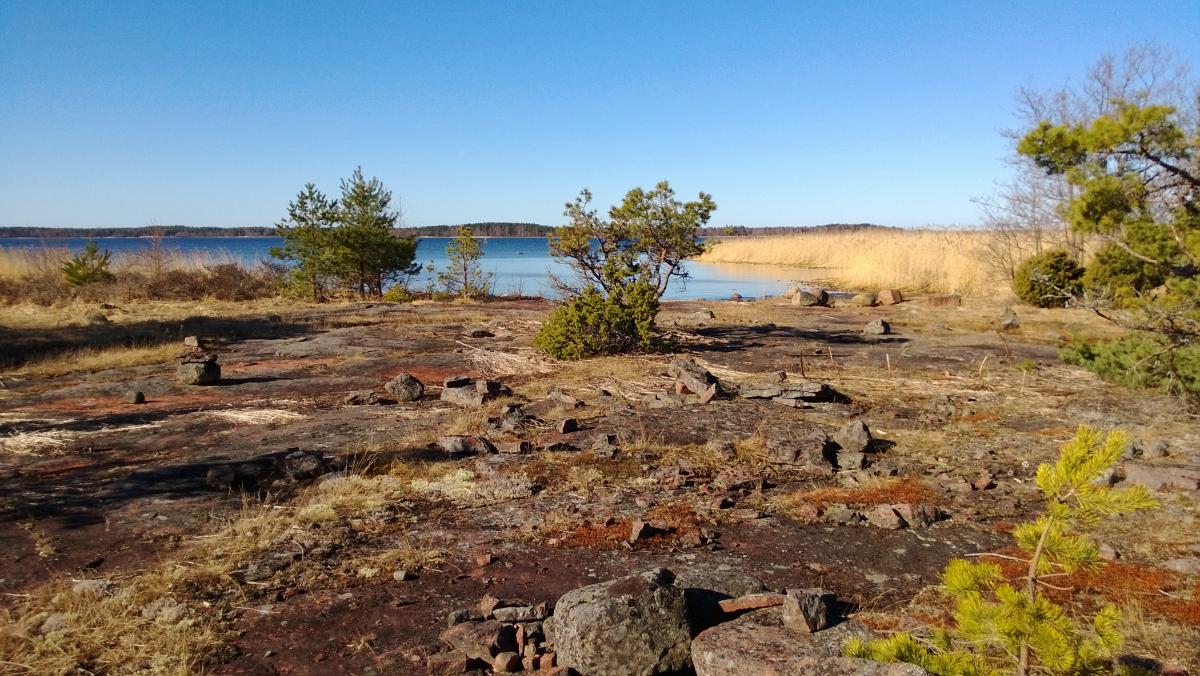
My main research focus is life-history ecology and evolution in spatial context. More specifically I am interested in the responses and the potential mechanisms that allow organisms in the wild to cope with different types of human induced changes in their environment. These changes include habitat fragmentation and decreased habitat quality, potentially due to climate change. My main study system is the Glanville fritillary (Melitaea cinxia) butterfly metapopulation in the Åland Islands. This system allows me to study processes operating from genes within individuals all the way to metapopulation-level dynamics. My research integrates ecological studies with experimental work. I also use quantitative genetics, candidate genes and more recently gene expression approaches to try to understand the role of genes in shaping phenotypic variation in developmental and life-history traits under both laboratory and natural environmental conditions.

Can you describe your research career?
I obtained my PhD in 2007 at the University of Helsinki. My PhD was on dispersal and related life-history trade-offs on the Glanville fritillary butterfly. I spent a two-year postdoctoral period at the University of Leiden (2008-2009), the Netherlands, in the laboratory of Prof. Paul Brakefield. During this time I got interested in phenotypic plasticity and more specifically assessing the role of predictive-adaptive responses in relation to nutritional conditions during development. During my post doc I was working with a tropical butterfly Bicyclus anynana. After my post doctoral period I returned back to Finland, first as a post doc (2010-2012) and then as an Academy Research Fellow, which is the position I hold at the moment at the University of Helsinki. My research group consists of myself, three PhD students, three post-docs and two lab technicians.
How come that you became a scientist in ecology?
I consider myself as an evolutionary ecologist. Because I am extremely interested in understanding how organisms in wild cope with environmental variation and stress, I think it is impossible to exclude either ecology or evolution from my research. We have learned a lot from the studies on laboratory model organisms and stress tolerance, but it is important to validate the potential mechanisms and processes in natural populations.
What do you do when you're not working?
I spend my free time with friends and family. I enjoy travelling but also just relaxing, reading books and watching films. I also love dancing.
Categories:
Announcements and eventsGeneral