Digging into the data – what can we learn from decades of monitoring?
Submitted by editor on 30 October 2015. Get the paper!
Our recent article in Oikos seeks to understand biological interactions and long-term trends in northern Baltic Sea phytoplankton communities. At the heart of this article, however, is long-term monitoring data collected by Stockholm University as part of the Swedish National Pelagic Monitoring Program. Long-term monitoring is notoriously hard to sustain – it is not sexy to funding organizations; it requires experienced and knowledgeable personnel; and sample collection and analysis can require substantial equipment, time, and money. If data are collected, using the data for formalized assessment and management can be equally challenging (requiring more time and money). Yet long-term monitoring is crucial for observing the multiple scales at which the dynamics of individuals, populations, communities, and ecosystems act. It is incredibly exciting to have access to these data and the efforts of many researchers and technicians to maintain a high quality dataset cannot be overstated. 
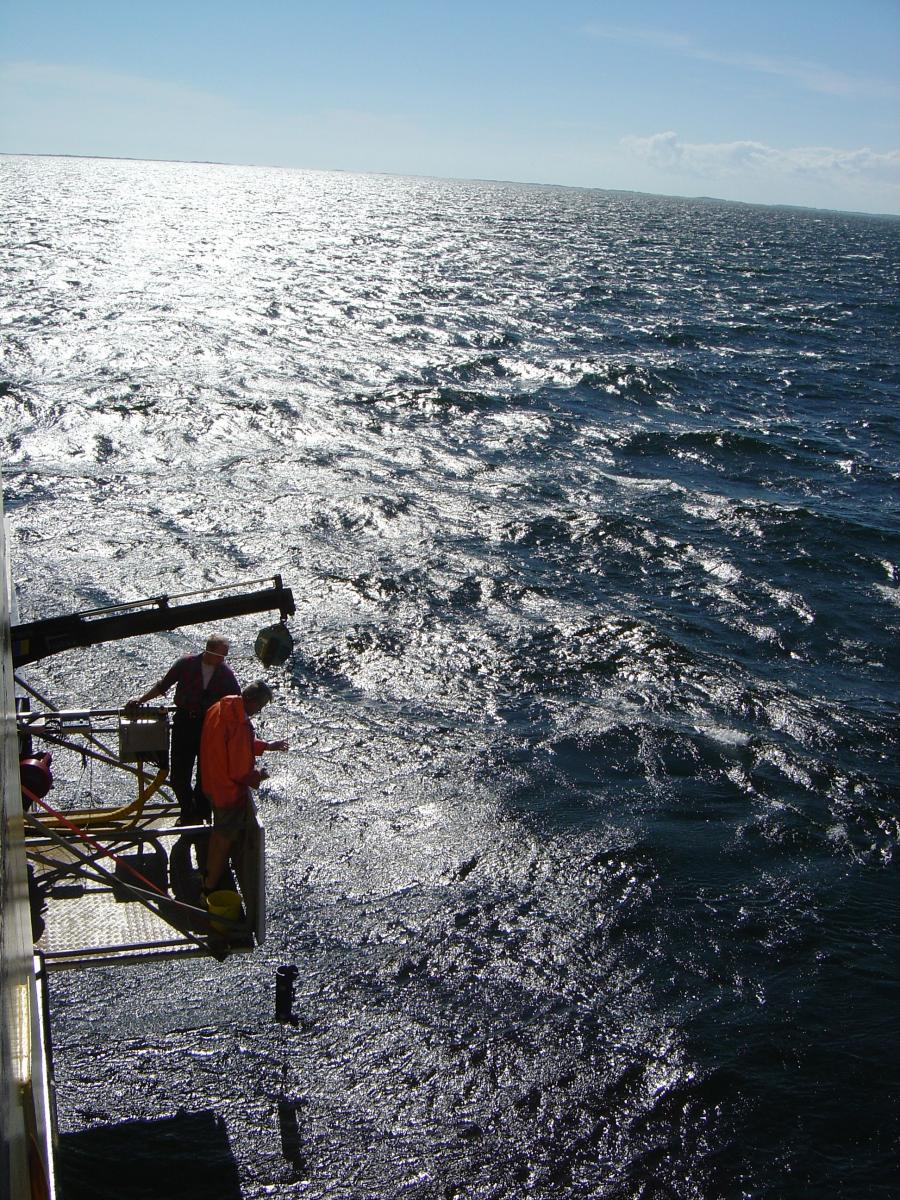
Working with long-term data can also be quite challenging. Monitoring programs are designed with a specific purpose in mind and data collected accordingly. For example, evaluating the long-term impact of anthropogenic and natural variability on water quality and phytoplankton bloom species composition was the original motivation for the phytoplankton and abiotic monitoring data we used in our study. Therefore, initial monitoring focused on the dominant (90% of biomass) of species in every sample. In later years, as methodologies were standardized across the Baltic Sea, all identifiable species/taxa in every sample were evaluated. When researchers seek to answer questions that diverge from the original intent, it can be tricky to ensure that the data were collected in such a way that these questions can in fact be answered. For example, when conducting analyses involving the presence of rare species researchers would need to be cautious regarding the use of earlier data.
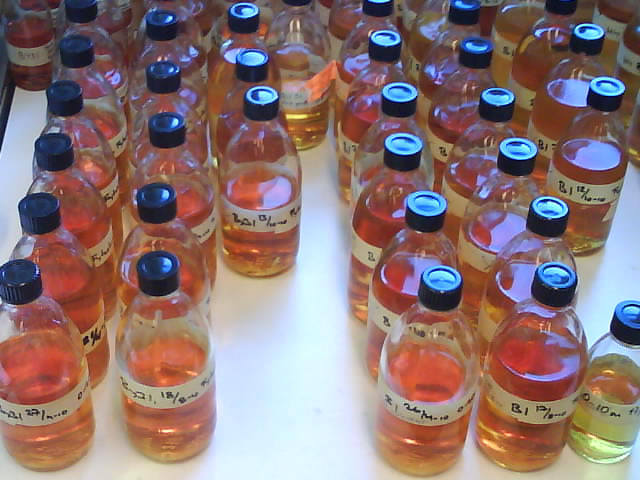
As monitoring programs initiated in the 1960s and 1970s come into their second century of existence we have a wealth of ecological information at hand to address pressing ecological questions. Hopefully, our contribution is just one of many to give these hard won data the analytical time they deserve.
The authors through Jennifer Griffiths
Photo credits
Phytoplankton samples waiting to be analyzed – Helena Höglander
Three photographs capturing sampling procedures for the long-term monitoring program in different seasons – Ulf Larsson
Categories:
Insights into Oikos papers