Can native species be invasive?
Submitted by drupaladmin on 24 May 2013.What should be included in the term "Invasive species"? In the new Early View Forum paper "Another call for the end of invasion biology", Loic Valery discusses the issue. Here is a short summary of the paper:
The bulk of the literature devoted to biological invasions ignores native species and restricts the field of study to only introduced species. This split used by many researchers to justify the emergence of a distinct discipline is increasingly openly challenged.
Based on the etymology of the word “phenomenon” (i.e. what is seen, what is perceived by the senses), we show that a biological invasion manifests itself, always and only, by the rapid appearance of a state of dominance of a species. Therefore, there is no reason to take into consideration other factors (in particular, the biogeographical origin of the invader) that prove to be both inappropriate and inoperative from a theoretical and practical viewpoint, respectively.
Thereby removing any justification for the autonomy of invasion biology, we advocate a more integrated study of all species on the move.
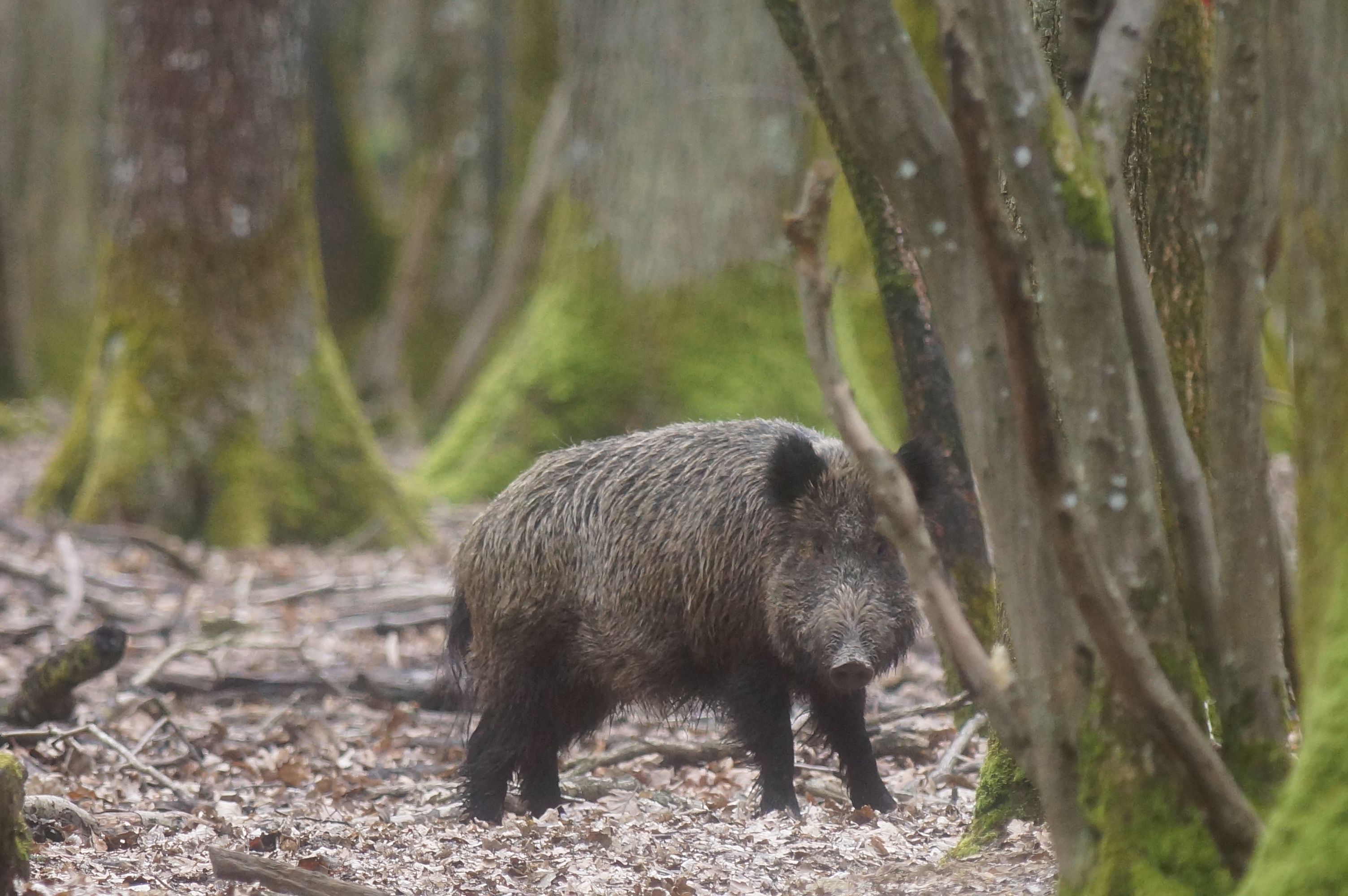
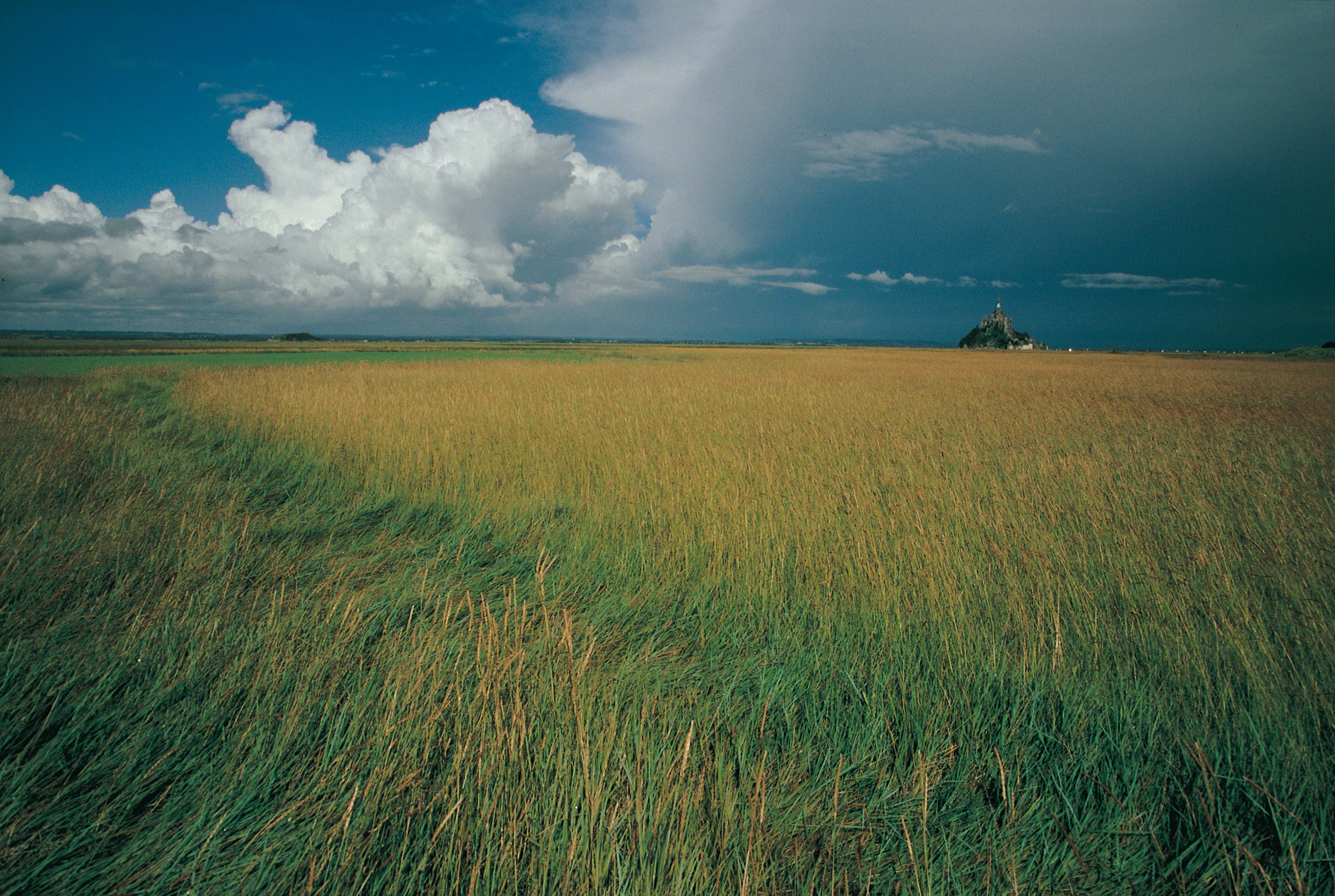
Invasive species can also be native. Here are two examples of native invaders in Europe: the sea couch grass Elymus athericus Link spreads in salt marshes, from high marsh towards middle and low parts where it forms large dense monospecific stands (here, in the Mont-Saint-Michel bay); and the wild boar Sus scrofa L., whose populations have exploded demographically in forests and agricultural systems, now extends in big cities such as Berlin, Milan or Barcelona for foraging. (Photographs: courtesy of André Mauxion).
Categories:
Insights into Oikos papers