Welcome Silke Langenheder - new SE
Submitted by editor on 24 November 2015.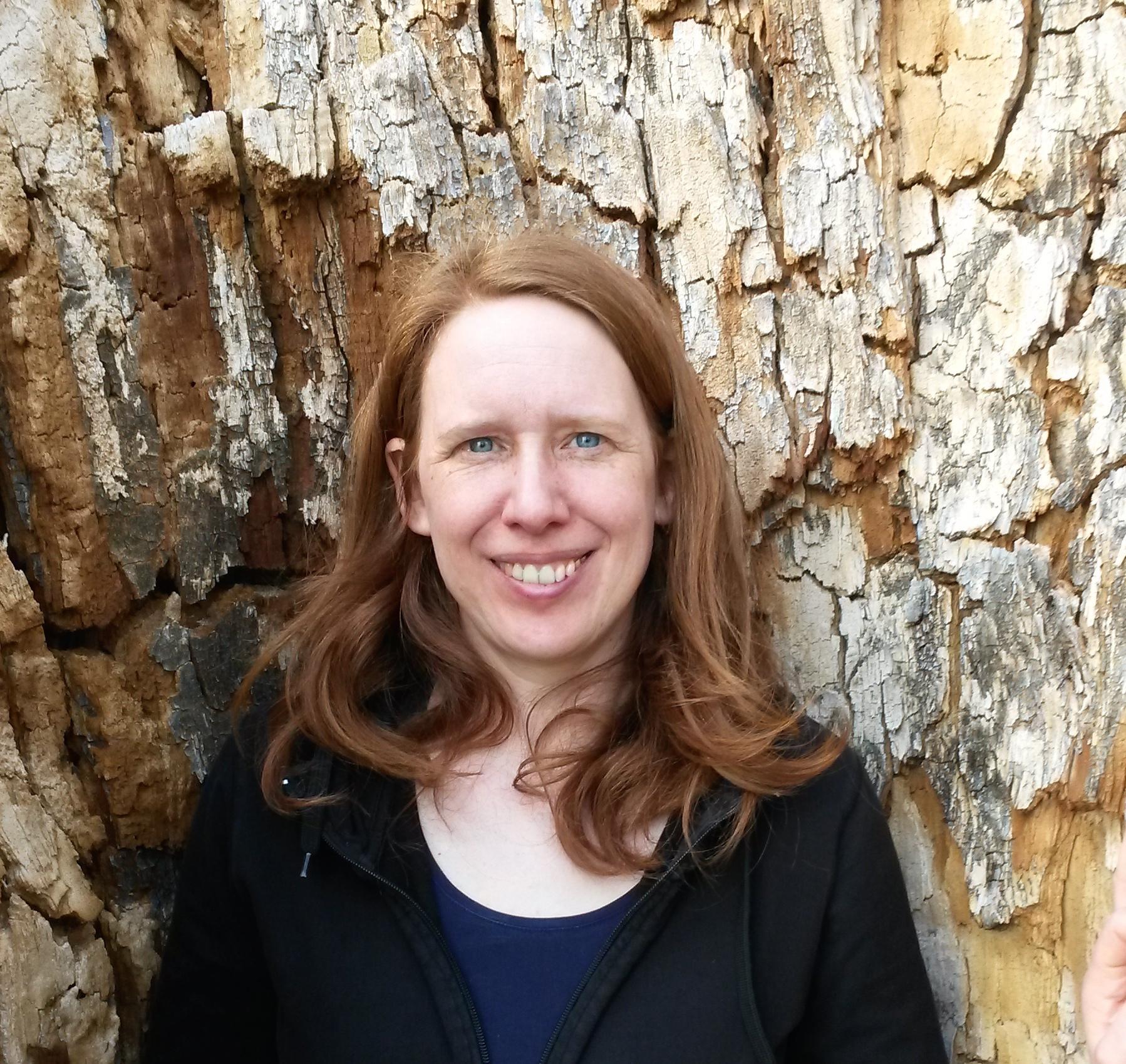
We're very happy and proud to welcome Dr Silke Langenheder, Uppsala University to our editorial board. Get to know Silke in the interview below.
What's your main research focus at the moment?
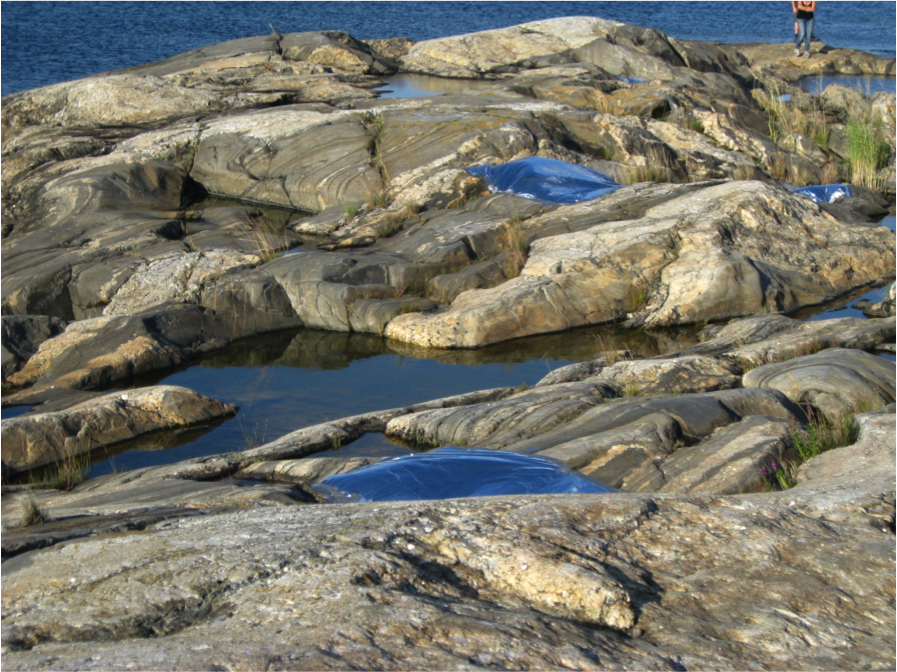
I am a microbial community ecologist and the overall aim with my research is to gain a better understanding of the mechanisms that regulate the diversity of bacterial communities and essential ecosystem processes carried out by them. One focus of our present work is to look more into the dynamics of community assembly mechanisms (environmental selection, dispersal and stochastic processes) in metacommunities, in particular focusing on historical processes. We are also studying how resistance and resilience of bacterial communities change over time in response to differences in the disturbance history of communities. Generally we work both in the field, mainly in lakes and rock pools (picture below), but also use a range of different experimental systems in the lab.
Can you describe your research career?
I studied biology at the University of Göttingen in Germany with a focus on zoology, microbiology and conservation biology. I have always liked freshwater systems, in particular lakes, and have been fascinated by the ecology and diversity of microorganisms, and when I came to the end of my studies I knew that this is what I would like to work with. I did my Master thesis at the Max Institute of Limnology in Plön in Germany on grazing effect on bacterial communities. Then I moved to the Department of Ecology and Genetics at Uppsala University in Sweden for a PhD thesis in Limnology focusing on links between structure and functional turnover in bacterial communities, which I completed in 2005. After worked as a Marie-Curie post-doctoral fellow at the Department of Environmental Science at the University of Aberdeen, where I actually worked with soil bacteria for 2 years, focusing on productivity-diversity and biodiversity-ecosystem functioning relationships. I 2008 I returned to ‘my old’ department at Uppsala University on a 4-year assistant professor position and I started to work with metacommunities and disturbance effects on bacterial communities. In 2015 I got my current position as a senior lecturer. As part of the position I am also in charge of the scientific development of the Erken Laboratory, which is part of SITES (Swedish Infrastructure for Ecosystem Science), a national network of limnological and terrestrial field stations in Sweden.
How come that you became a scientist in ecology?
I have always been intrigued by the complexity of ecological communities and that it is nevertheless possibly to find general patterns and to explain the mechanisms behind them. I became particularly interested in bacteria because molecular method were just introduced into the field of microbial ecology when I started, which opened up the possibility to study the biodiversity of bacteria in relation to processes involved in e.g. degradation and to test whether ecological theories also apply to bacteria. Then I was fortunate because there was always a position or a funded project, which really caught my interest and motivated my to continue to work in science despite the high long-term job insecurity.
What do you do when you're not working?
I enjoy all sorts of outdoor activities like walking, swimming and canoeing during summer and ice-skating and cross-country skiing in winter. Otherwise I spend time with my family and also like reading novels.
Categories:
General