Editor's Choice November: Indirect interactions
Submitted by drupaladmin on 29 October 2013.Indirect interactions are one of my current favorite topics. So fascinating, so elusive, simple in theory, but easily construed. This was the second editor's choice for November:
Alexander, M. E., Dick, J. T. A. and O’Connor, N. E. 2013. Trait-mediated indirect interactions in a marine intertidal system as quantified by functional responses. - Oikos 122: 1521-1531.
doi: 10.1111/j.1600-0706.2013.00472.x
Trait-mediated indirect interactions are tested in a highly tractable system in this study. However, a very elegant experimental design was executed to explore whether habitat complexity was important to the functional response expressed by predators. Three species were used in total (2 predators and 1 prey species) and experimental arenas were used (Fig 1). Diet cues and responses to the other species were examined in petri dishes with stones glued to the bottom. Very clever! I would love to see a real photo of the design or videos of the various activity levels reported.
Novel synthesis
This study was an example of novel synthesis for the following reasons.
The design was superb.
The ideas, terms (such as density-mediated indirect interactions versus trait mediated), and predictions were extremely well developed and very precise.
Simple versus complex habitats was tested thereby addressing a major and ongoing theme of context dependence in ecology and evolution.
Density and indirect interactions are well modeled in the study.
Ecologically, the findings were significant in that habitat complexity is shown to mediate population stability. Super simple spoiler: in simple habitats, trait-mediated indirect interactions may destabilize prey populations whilst in complex habitats regulation of intermediate consumers may promote prey stability. Fantastic. I wonder how we could apply this approach to terrestrial systems.
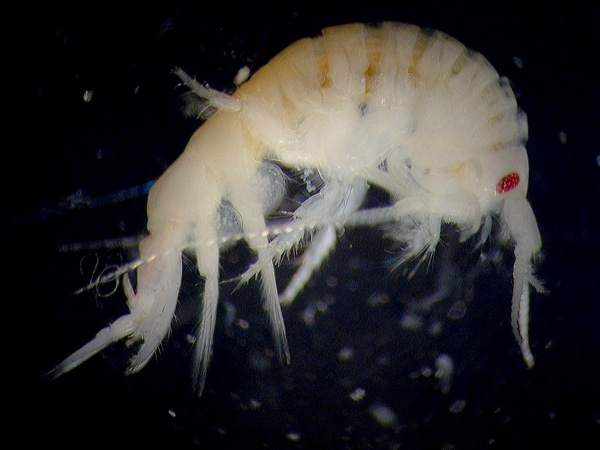
Amphipoda (not actual size):
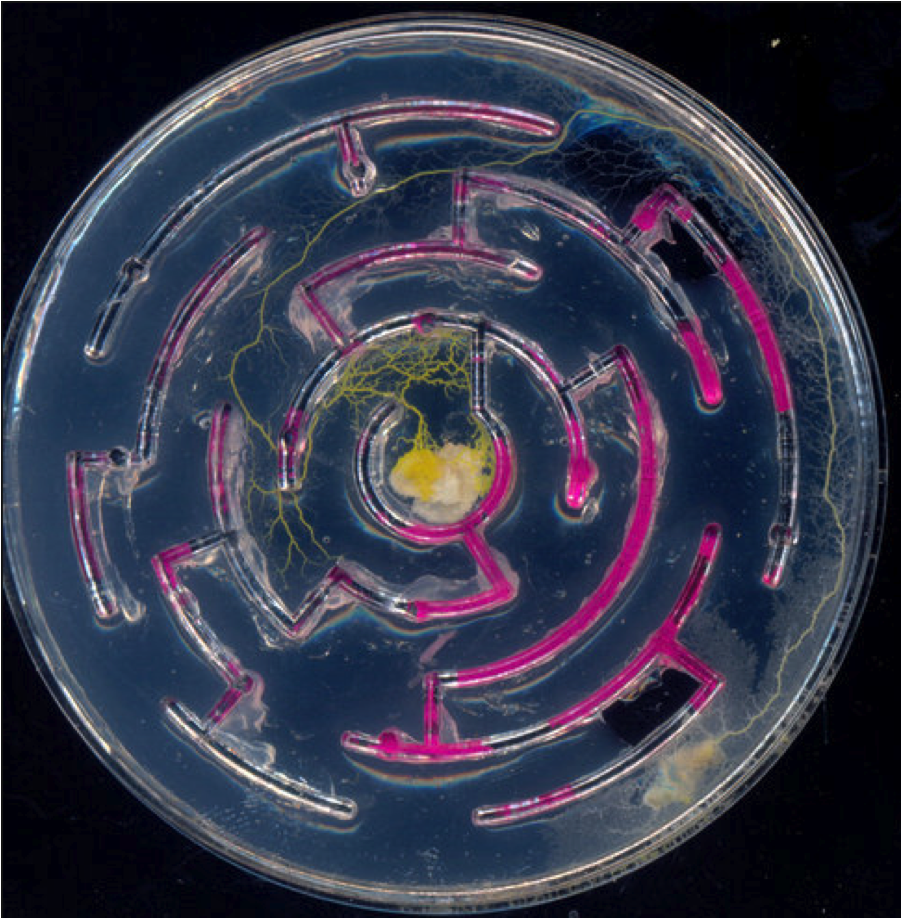
Sample petri dish arenas in general:
Categories:
Insights into Oikos papers