Can medium-term studies predict long-term patterns?
Submitted by editor on 18 May 2015.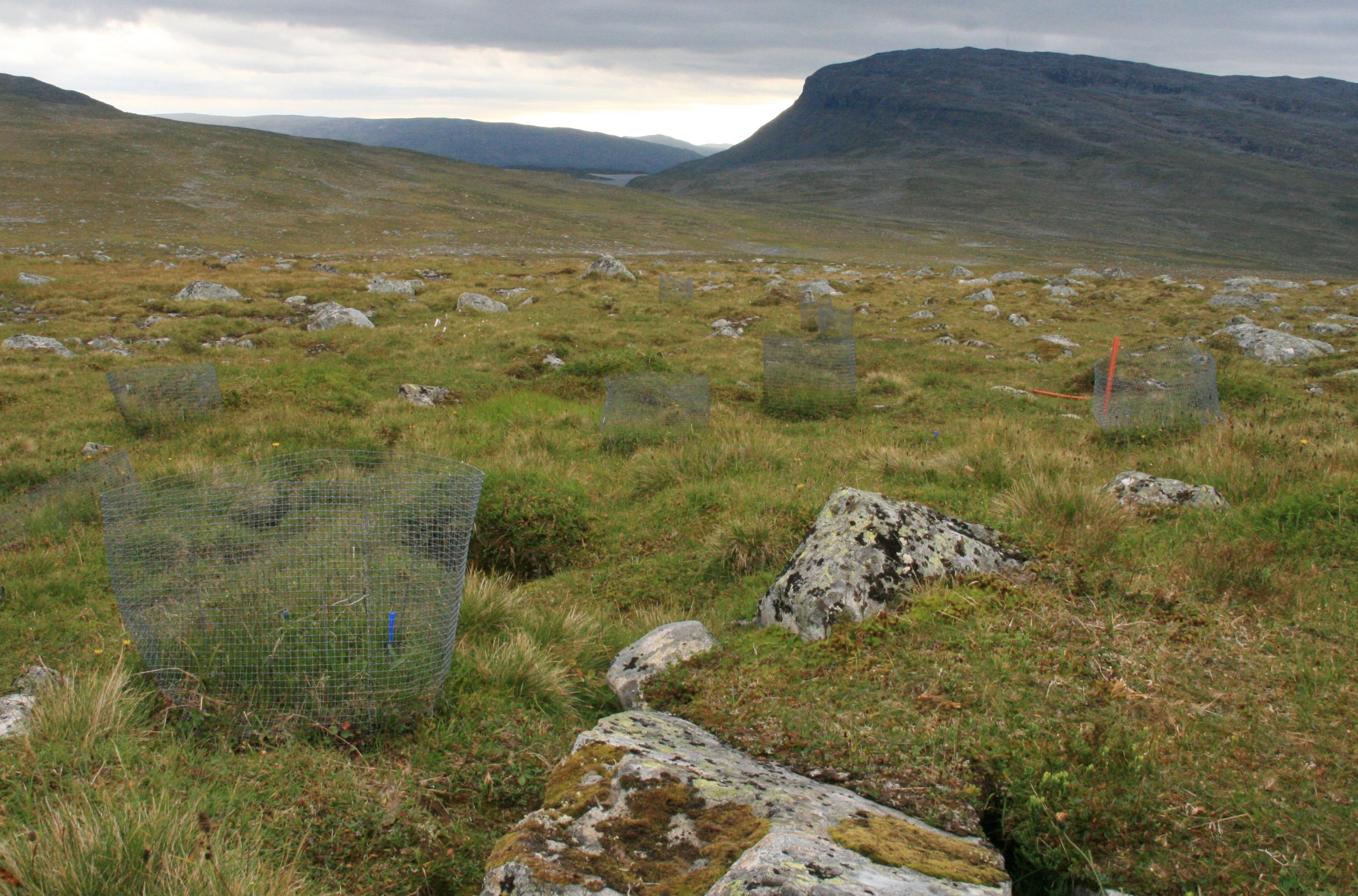 Get the paper!
Long-term studies, either survey or experiments, have been identified as crucial tool of ecology since decades. However, and in particular in the case of experimental manipulations, they remain rarely reported in the literature and because their time scale is not matching the funding and publication pressures, their potential for deepening our understanding of ecological processes is largely underused. Instead, a large part of our theoretical and predicting modeling of ecosystem functioning and response to environmental change is based on the available results from short-term experiments and the necessary caution needed is sometimes lacking in the extrapolation to long-term. However, most of the studies comparing short and long-term results of experimental manipulation revealed significant divergences including concerning the relative importance of processes or drivers.
In this study, "Extrapolating multi-decadal plant community changes based on medium-term experiments can be risky: evidence from high-latitude tundra", now published Early View in Oikos, we took advantage from a transplant experiment set-up in the Fennoscandian mountain tundra in 1989 that is still running and from the particular sampling schedule to question the interest of a time scale-up of the usual experimental time frame. What if we run our experiments over medium- instead of short-term? Are the results from medium-term experiment better predictor of long-term patterns?

Heath tundra blocks were transplanted to a snowbed 150 m higher in elevation from their origin, where, with contrasting levels of soil wetness, half of the transplants were protected from mammalian herbivores. The plant composition of the transplants was annually recorded during the first decade (from 1989 to 2001 exactly) and again in 2012. The community changes over the first 12 years which mainly consisted in a strong increase of graminoid and a decrease of shrub abundances in the transplants were captured by Markov Chain Models. This first result highlights the gradual dynamic aspect of the medium term response of the transplants that fit stationary stochastic models. But the same models failed to predict the functional composition of the transplant in the longer term. They missed the late increase of bryophytes in the wet snowbed, the recovery of shrubs in the dry exclosures, and the decline to subordinate status of graminoids in all conditions. This failure to predict long-term patterns from medium-term trends is due to the differences in the temporal scale of both treatment effects and plant functional type responses and highlights the limit of extrapolation from experiment in ecology. In other words, we suggest that instead of pursue our extrapolation effort we have to consider larger investment in long-term experimental studies.
The auhtors through Patrick Saccone
Categories:
General